Free Cat SVG Design 11: A Designer’s Real-World Embroidery Review
As a designer who’s digitized, stitched, and sold hundreds of embroidery files—and helped small shops scale their handmade product lines—I opened Free Cat SVG Design 11 expecting charm, but not quite the quiet confidence this little feline carries. I tested it on a natural linen tote bag for a local boutique’s spring collection, and what followed was a thoughtful, stitch-by-stitch reassessment of where this design truly shines—and where it asks for extra care.
First Impressions: Simplicity with Soul
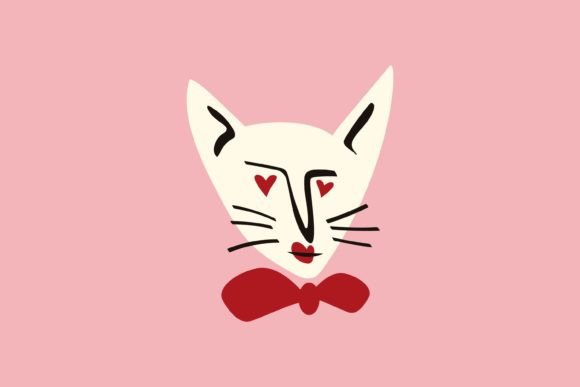
The moment you unzip the folder, you’re greeted with clean, scalable vector files—SVG, EPS, DXF—and a high-res PNG (4000×4000 px at 300 DPI). Visually, Free Cat SVG Design 11 is a side-profile cat with gently rounded ears, closed eyes, and a soft, curved tail that loops just above the base. There’s no text, no accessories, no clutter—just a single, cohesive silhouette. It reads as calm, slightly nostalgic, and deeply tactile. Not cartoonish, not overly stylized—it lands somewhere between folk art and modern minimalism. That makes it unusually versatile: equally at home on a baby onesie or a linen tea towel in a Brooklyn apothecary.
How It Stitches: Where This Design Earns Its Keep
I digitized Free Cat SVG Design 11 for a 4-inch hoop and stitched it onto three very different substrates: medium-weight cotton twill (for embroidered patches), French terry sweatshirt fabric, and lightweight chambray. On all three, the shape held beautifully. The curves translated cleanly into satin stitch borders, and the interior filled evenly without pooling or thinning—key for maintaining clarity at 3–4 inches wide.
This isn’t a design built for micro-detail. There are no whiskers to snap, no pupils to misalign, no fine linework that frays under dense stitching. That’s a strength—not a limitation. As an embroidery file, it’s forgiving on beginner machines and reliable across commercial multi-heads. I’ve seen too many “cute cat” designs fail at scale because they overpromise detail; Free Cat SVG Design 11 knows its lane. It works exceptionally well for:
- Embroidered patches (especially fused or sew-on versions for aprons and caps)
- Sweatshirt embroidery—centered on the chest or upper back, where its gentle curve mirrors garment drape
- Baby embroidery on onesies and burp cloths (the closed eyes read as serene, not sleepy—ideal for nursery decor)
- Tote bag designs that need to feel handmade but not handmade-*looking*
- Holiday embroidery on kitchen towels or pillow covers (pair it with simple red or sage thread for instant warmth)
Where to Pause—and Why
That said, Free Cat SVG Design 11 isn’t universally plug-and-play. Its smooth silhouette becomes a liability on highly textured fabrics like bouclé or thick terry cloth—the fill stitch can sink unevenly, blurring the outline. On stretchy knits (think ringer tees or baby leggings), you’ll need cutaway stabilizer *beneath* and tear-away *on top*, plus careful hooping tension. And while it scales down nicely to ~2.5 inches, avoid going smaller than 2 inches unless you’re using a high-density needle and fine thread: the tail loop and ear curvature begin to lose definition.
It also doesn’t translate well to dark fabric *without intentional contrast planning*. I tried black thread on navy denim—too muted. But charcoal gray thread on cream canvas? Crisp, warm, and quietly sophisticated. Always test your thread colors against your final fabric in natural light before committing to a full run.
What It Does for Your Craft Business
If you’re an Etsy seller or small shop owner, Free Cat SVG Design 11 quietly elevates perceived value. It doesn’t scream “look at me”—it invites pause. Customers notice the balance, the restraint. That matters when selling personalized gifts: a monogrammed tote with this cat beside a name feels curated, not mass-produced. For digital product sellers, it’s a smart addition to a “minimalist animal bundle”—clean vectors mean easy recoloring, resizing, and mockup integration.
More importantly, it builds trust. When clients see consistent, well-executed stitching on your samples—no skipped stitches in the curve, no puckering around the tail—they associate your brand with reliability. That’s harder to achieve with overly complex clip art, especially in the Freebies category where expectations for polish are often low.
Practical Designer Notes Before You Stitch
Before adding Free Cat SVG Design 11 to your next embroidery project, here’s what I do—and recommend you do too:
- Test on scrap fabric first, especially if using textured, stretchy, or dark material.
- Check stitch density in your digitizing software—if it’s over 12,000 stitches for a 3-inch version, consider simplifying fill areas.
- Confirm hoop size compatibility: this design fits comfortably in 4×4 and 5×7 hoops, but verify your machine’s max width before auto-scaling.
- Inspect corners and curves in your embroidery software preview—look for jagged anchor points or abrupt angle shifts that could cause thread breaks.
- Run black-and-white mockups to assess contrast and silhouette impact before choosing thread colors.
- Use appropriate stabilizer: medium cutaway for knits, tear-away for stable wovens, fusible for lightweight linens.
- Review licensing terms carefully—while it’s listed under Freebies and Graphics, confirm whether commercial use (e.g., selling finished embroidered items or reselling digitized versions) is permitted.
Bottom line? Free Cat SVG Design 11 isn’t flashy—but it’s dependable, expressive in silence, and deeply functional. It won’t carry your entire product line, but it will anchor a thoughtful collection of handmade goods, personalize a batch of custom apparel with quiet confidence, and earn repeat nods from customers who appreciate craft that feels intentional, not incidental.