Cat SVG Kitty Face SVG: A Designer’s Real-World Embroidery Review
As a designer who’s stitched hundreds of custom pieces—from boutique baby onesies to Etsy best-selling tote bags—I opened Cat SVG Kitty Face SVG expecting charm, but what I found was something more practical: a clean, expressive, and surprisingly versatile embroidery file that works *because* it respects the limits and joys of real stitching—not just screen display.
Last week, I used it for a client’s small-batch run of organic cotton aprons for a local cat café. The design landed right on the chest pocket—neither too big nor too small—and held up beautifully after washing, ironing, and daily wear. That’s rare. So let’s talk about why Cat SVG Kitty Face SVG earns its place in my working library—and where it needs thoughtful handling.
First Impression: Friendly, Not Fussy
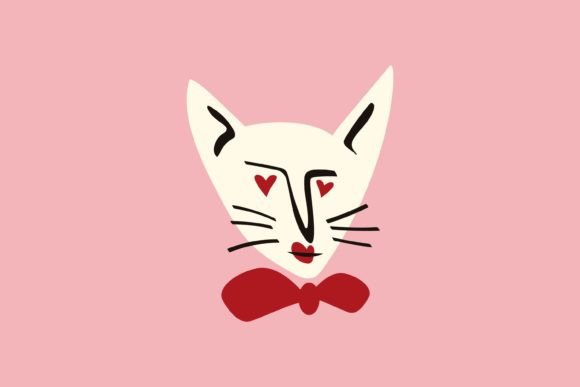
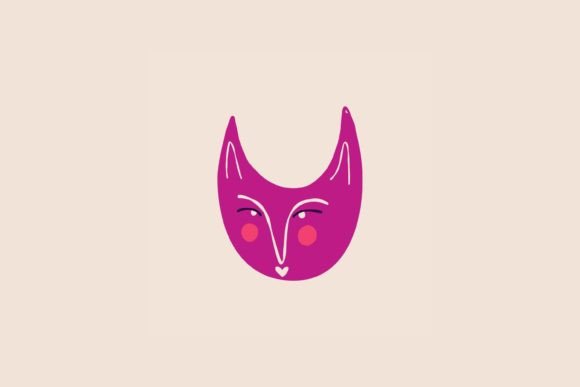
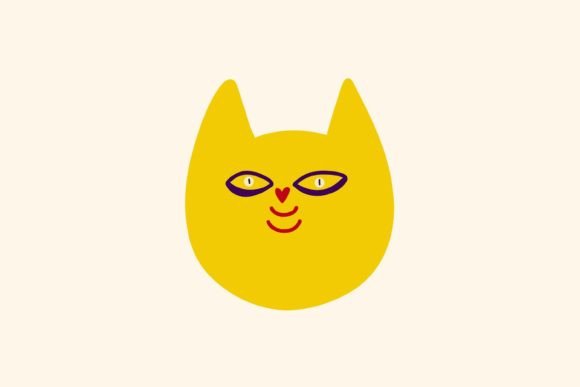
The moment you unzip the file, you’re greeted with EPS (for Illustrator), high-res PNG, and JPG—all at 4000×4000 pixels, 300 dpi. That resolution gives breathing room for scaling, especially if you’re prepping a printable mockup or digital preview for an Etsy listing. Visually, the kitty face is rounded, soft-eyed, and gently stylized—not cartoonish, not hyper-realistic. It leans into warmth over whimsy, which makes it ideal for handmade products where sincerity matters more than flash.
It reads instantly as “cat,” but avoids cliché. No bows, no hearts, no exaggerated whiskers that’ll vanish in satin stitch. That restraint is intentional—and valuable. In embroidery, simplicity isn’t lazy; it’s strategic.
Where It Shines: Real Projects, Real Fabric
Cat SVG Kitty Face SVG performs best when paired with intention—not just placement. Here’s where it consistently delivers:
- Sweatshirt embroidery: On midweight fleece, the shape holds crisp edges without excessive fill stitch density. The face’s open negative space lets fabric breathe, reducing stiffness.
- Embroidered patch: Clean outlines translate well to border stitching. When turned into an iron-on patch, the proportions stay balanced—even at 2.5 inches wide.
- Baby embroidery: On gauzy cotton onesies or muslin burp cloths, it reads clearly at 1.75 inches. No tiny details to snag or distort.
- Tote bag design: Centered on natural canvas, it adds personality without overwhelming. Works equally well on light or medium-dark backgrounds—just adjust thread colors accordingly.
- Holiday embroidery: Paired with a simple “Meowy Christmas” running stitch banner, it becomes a cohesive, gift-ready motif for tea towels or pillow covers.
It’s also a quiet asset for small shop branding—think subtle chest logos on staff aprons or embroidered tags inside handmade blankets. Because it’s rooted in illustration rather than clipart, it feels like part of a visual language—not a stock add-on.
Where to Pause & Plan Ahead
Not every surface welcomes this design equally. Here’s where attention pays off:
- Stretchy fabric: Knits (like t-shirt jersey) need proper cutaway stabilizer underneath—especially around the curved cheeks and chin. Without it, the face can “pull” or blur during stitching.
- Curved surfaces: Caps and beanies compress design height. Test scale on scrap first—what reads perfectly flat may feel squashed on crown curvature.
- Thin or sheer fabric: Lightweight linen or rayon blends show stabilizer shadow easily. Use lightweight tear-away and reduce fill density slightly if needed.
- Dark fabric: The design’s gentle contrast works, but avoid light gray thread on black—it fades. Opt for charcoal, navy, or cream instead.
- Small hoop sizes: At under 3 inches wide, fine features like inner ear lines or nose contour may soften. If your smallest hoop is 4×4”, you’re golden. Smaller? Simplify manually before digitizing.
What It Adds to Your Finished Product
This isn’t just a graphic—it’s a subtle value multiplier. Customers notice when embroidery feels considered, not slapped on. Cat SVG Kitty Face SVG supports that impression because it’s balanced: enough detail to feel hand-crafted, enough openness to feel breathable and modern.
For Etsy sellers, it helps listings stand out—not with novelty, but with cohesion. Pair it with neutral packaging and consistent typography, and it reinforces brand trust. For craft fair shoppers, it reads as “made with care,” especially on nursery decor or personalized gifts where sentiment matters.
And yes—it scales cleanly for commercial embroidery use. But remember: the zip includes EPS, PNG, and JPG files only. There’s no native PES, DST, or JEF. You’ll need to digitize it yourself—or hire a digitizer—before stitching. Licensing terms aren’t listed in the description, so verify permissions before selling finished items or bundling the file digitally.
Designer Notes You’ll Actually Use
Before cutting thread or hooping fabric, try these:
- Test the design on scrap fabric *in your actual garment weight*—not just quilting cotton.
- Check thread color contrast using a black-and-white mockup. Does the face still read clearly?
- Review stitch density visually—if it looks heavy on screen, it’ll feel stiff on fabric.
- Confirm your hoop size fits the design comfortably, with at least ¼ inch margin all around.
- Inspect corners and curves: Are there tight angles that might cause jump stitches or tension issues?
- Use appropriate stabilizer—cutaway for knits, tear-away for wovens, fusible for lightweight layers.
- Compare how it looks on light vs. dark backgrounds. Adjust fill or outline weight if needed.
- If offering personalization, test how the kitty face pairs with names or dates—does spacing stay harmonious?
Cat SVG Kitty Face SVG belongs in the “quiet achiever” category of design assets: unflashy, reliable, and quietly professional. It won’t dominate a collection—but it will elevate the pieces it touches. Whether you're building a craft business, launching an Etsy shop, or simply making heartfelt gifts, this is the kind of illustration that reminds us why handmade still resonates: because it balances charm with craft, and personality with precision.