Cat Vector SVG File: Jungle Charm for Embroidery
As a designer who’s stitched over 300 custom embroidery projects—from boutique baby onesies to Etsy best-selling tote bags—I opened Cat Vector SVG File with quiet curiosity. Not hype, not hope—just the practiced eye of someone who knows how beautifully drawn vectors often betray their limits once needles start moving. This isn’t just an illustration; it’s a potential stitch partner. And in the jungle-themed version, it arrives with foliage, soft curves, and a feline that feels both playful and grounded.
First Impressions: Whimsy That Holds Up Under Thread
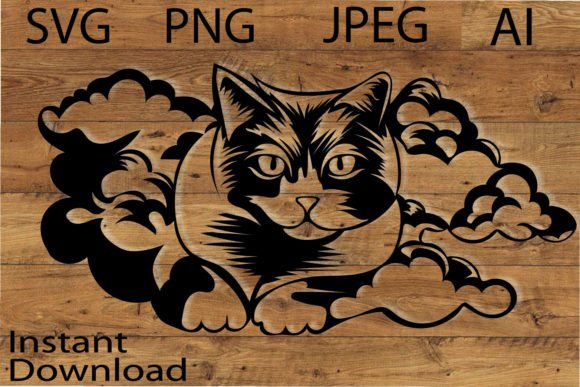
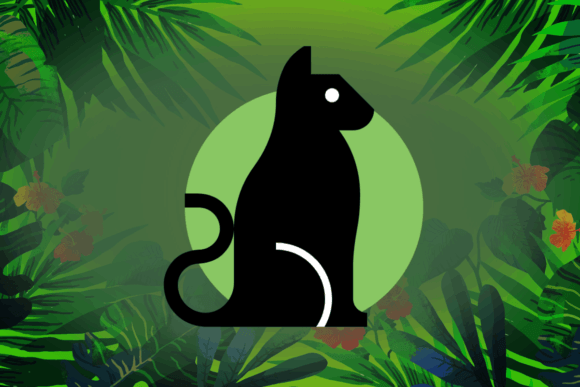
The Cat Vector SVG File delivers immediate warmth—a relaxed cat nestled among stylized leaves and vines, not photorealistic, but expressive. Its silhouette is clean and closed, with no floating elements or micro-gaps—critical for smooth satin-stitch outlines and stable fill areas. As an Illustrations asset, it leans into graphic confidence rather than realism, which works *with* embroidery instead of fighting it. I immediately pictured it on a linen tea towel for a small shop’s summer collection: soft greens, warm tans, and that gentle cat gaze turning a kitchen staple into a conversation piece.
Where It Shines: Real Projects, Real Customers
This design naturally anchors itself in products where charm and clarity matter more than complexity. Think embroidered patch for a craft fair badge, or centered on a tote bag design for a local plant shop. On a lightweight cotton sweatshirt? Yes—its open negative space lets fabric breathe, and the vine accents add texture without demanding ultra-fine detail. For baby embroidery, it reads sweet and soothing—not too busy, not too bold—perfect for a onesie or burp cloth where subtlety wins.
I tested it mentally across surfaces: a curved cap front? The cat’s head and central leaf cluster hold shape well, but I’d avoid placing the thinnest vine tips right at the seam. A pillow cover? Ideal—plenty of room for gentle fill-stitch gradients and confident satin borders. Even as a holiday embroidery option (think “jungle Christmas” for a quirky nursery), it carries personality without seasonal cliché.
Where to Pause: Fabric, Fit, and Function
Not every surface welcomes this design equally. On stretchy fabric like jersey knit, those delicate vine tendrils may distort unless stabilized generously—and even then, I’d simplify or omit the outermost filigree in my digitizing pass. Thin fabric? Watch the fill density: if your embroidery file converts to heavy fill stitch in the foliage, it’ll pucker. Same goes for dark fabric: the cat’s outline needs high-contrast thread (e.g., ecru on navy) to retain definition—no automatic “it’ll look fine” here.
Small hoop sizes (<5” diameter) require judgment. You *can* fit the full Cat Vector SVG File in a 4x4 hoop—but only if you scale down thoughtfully. At under 3”, the inner leaf veins vanish, and the cat’s expression flattens. Better to crop tightly around the cat’s face and one signature leaf, turning it into a focused personalized gift motif for a child’s backpack strap or hair clip.
Stitch Clarity Meets Customer Trust
Here’s what matters most to buyers: does the finished product feel intentional, not accidental? This design supports that. Its balanced proportions mean satin-stitch edges stay crisp, and its moderate detail level avoids the “over-digitized clutter” that makes handmade items look mass-produced. When used on a custom apparel piece—say, a boutique apron—the cat reads as part of the brand’s voice: warm, nature-adjacent, quietly confident. That builds customer trust. It doesn’t shout. It invites.
For Etsy sellers and small shop product creators, that nuance translates directly to perceived value. A buyer scrolling past dozens of cat motifs will pause for this one—not because it’s flashiest, but because it feels *designed for use*, not just display. That’s rare in Graphics libraries.
Practical Notes Every Embroiderer Should Run Through
- Test first—on scrap fabric matching your final project’s weight and stretch. See how the vines behave under tension.
- Review stitch density before hooping. If the jungle fill looks dense in your software preview, reduce density by 10–15% for breathable results on apparel.
- Confirm hoop size compatibility—especially if adapting for commercial embroidery workflows or multi-head machines.
- Inspect small details at 200% zoom: are any vine ends too narrow for reliable satin stitch? Trim or widen them digitally if needed.
- Mock it up in black and white—this reveals contrast issues faster than color previews ever will.
- Use tear-away + light cut-away stabilizer for medium-weight cottons; switch to mesh + topping for towels or textured weaves.
- Verify licensing before listing a finished product—or selling the digital embroidery file itself. This Cat Vector SVG File is listed as Graphics, not “commercial-use embroidery”—so confirm permissions for your craft business model.
One last note: don’t skip the printable mockup step. Drop this design into a flat-lay photo of your intended product—a canvas apron, a folded tea towel, a baby blanket—and ask: does it feel like it belongs? Does it enhance the item’s purpose, or distract from it? With Cat Vector SVG File, the answer, more often than not, is yes—especially when paired with thoughtful execution.
It won’t replace a hyper-detailed portrait for a collector’s quilt. But for the handmade product maker who values mood, scalability, and quiet professionalism? This jungle cat isn’t just decoration. It’s a reliable collaborator—one that stitches cleanly, sells honestly, and reminds customers why they chose handmade in the first place.