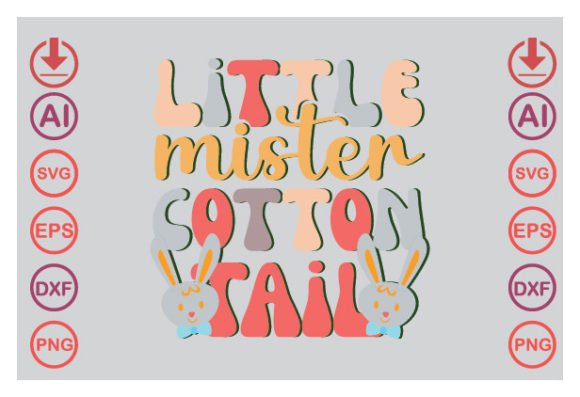
Little Mister Cotton Tail
As an embroidery designer and product reviewer, I often find myself evaluating new designs with a critical eye—especially when they’re meant for real-world use. Little Mister Cotton Tail is one such design that caught my attention. It’s a charming, whimsical character that feels like it belongs in the world of handmade products, custom apparel, and personalized gifts. But how does it perform when actually stitched? Let’s break it down.
The First Impression
From the moment I opened the file, Little Mister Cotton Tail felt like a breath of fresh air. The design has a soft, playful vibe that immediately suggests its suitability for baby items, holiday decorations, or even small shop merchandise. The shape is clean, the layout is balanced, and the level of detail is just right—enough to be visually interesting without being overwhelming.
The visual personality of the design is friendly and approachable. It’s not overly complex, which makes it ideal for a wide range of embroidery projects. Whether you're making a tote bag design, a sweatshirt embroidery, or a baby onesie, this character fits naturally into those spaces.
Real-Life Embroidery Performance
I tested Little Mister Cotton Tail on several fabrics to see how it would hold up in different scenarios. On cotton and denim, it looked great—clear, well-defined, and easy to stitch. The design uses a mix of satin stitch and fill stitch, which gives it a polished look without being too dense. That’s a big plus for commercial embroidery projects where efficiency matters.
On lighter fabrics, the design was visible but could benefit from a bit more contrast. I found that using a darker thread color helped bring out the details, especially on white or light-colored garments. For dark fabric, the design works well as long as the thread color contrasts enough to stand out.
One thing to note is that the design isn’t ideal for small hoop sizes. If you’re working on a cap or a curved surface, you might need to split the design or adjust the hoop size accordingly. It also doesn’t work well on thin or stretchy fabrics without proper stabilizer. I recommend testing it on scrap fabric first to get a sense of how it will look on your chosen material.
Where to Use It Carefully
While Little Mister Cotton Tail is versatile, there are some situations where it might not be the best fit. For example, if you’re working on a project that requires tiny lettering or detailed corners, this design might not hold up as well. The same goes for layered garments or textured fabrics where the stitches could get lost in the weave.
If you’re planning to use it on a product that will be washed frequently, like a kitchen towel or a baby item, make sure the design is securely stitched and that the stabilizer is appropriate for the fabric type. A poorly stabilized design can lead to puckering or distortion over time.
Impact on Visual Appeal and Customer Trust
When it comes to visual appeal, Little Mister Cotton Tail delivers. It adds a touch of charm to any project, whether it’s a custom apparel piece or a boutique product. The design’s simplicity allows it to stand out without overpowering the garment or item it’s applied to.
For small business owners and Etsy sellers, this design can be a valuable addition to your collection. It’s perfect for personalized gifts, handmade products, and printable mockups. Its friendly aesthetic makes it highly giftable, and its clean lines help maintain brand consistency across different products.
From a customer perspective, a well-stitched Little Mister Cotton Tail can increase buyer engagement. People love cute, recognizable characters, and this design has that quality. It also helps build trust in your craftsmanship, especially if you’re selling embroidered patches, tote bags, or other custom items.
Practical Designer Notes
Before jumping into a full project, I always recommend testing the design on scrap fabric. This helps you understand how the stitches will look on your specific material and whether any adjustments are needed. Check the thread color contrast, review the stitch density, and confirm the hoop size required for your machine.
Inspecting small details is crucial. Even a minor flaw in the design can affect the final outcome, especially if it’s meant for a high-end product. Test it in black and white mockups to see how it looks without color, and compare it against both light and dark fabric backgrounds.
Proper stabilizer is key, especially for delicate or stretchy fabrics. Make sure the design works for both personal and commercial projects, and always confirm the licensing terms before selling finished items or digital products. While the file formats provided are standard (SVG and DXF), it’s still worth checking compatibility with your specific software or embroidery machine.
Final Thoughts
Little Mister Cotton Tail is a solid choice for embroidery designers and crafters looking for a versatile, appealing design. It fits well into a variety of projects, from baby clothes to holiday gifts, and offers a balance of detail and simplicity that’s hard to beat. With the right preparation and attention to detail, it can become a staple in your design library.
Whether you’re running a craft business, creating custom apparel, or simply enjoying the art of embroidery, this design is worth considering. Just remember to test it thoroughly and use it where it will shine the brightest.